I was the next speaker in this panel at the Social Media & Society conference in Glasgow, presenting our analysis of the COP26 and COP27 summits through our practice mapping approach. Here are the slides:
We have one more paper session on the final day of the Social Media & Society conference in Glasgow, and it’s a panel coordinated by the great Risto Kunelius that I’m also presenting a paper in. This panel presents outcomes from the CLOUD-C project, which explored discussions around the COP26 (in 2021, which of course took place in Glasgow, too) and COP27 (in 2022, in Sharm El-Sheik) UN climate change summits from a number of perspectives.
Risto kicks us off by introducing the panel itself: data for the project were gathered from Twitter using a set of keywords related to …
I’m on 7% charge and only managed to blog the first paper in the final session at the Social Media & Society conference in Glasgow today, which was presented by Sanna Malinen. Her focus is on platforms and censorship, and she notes that activists have increasingly needed to consider visibility-based platform algorithms in their work.
Such algorithms are increasingly shaping visibility rather than banning problematic content altogether; this enables platforms to continue to engage in data gathering and surveillance even when users and their content are made less visible. Such interventions reduce the ability of activists to use such platforms …
And the next speaker in this session at the Social Media & Society conference in Glasgow is Catherine Baker, whose focus is on scientific claims in the (Neo-)Manosphere. The far right is often described as anti-science, but this is too simplistic; instead, they are more selective in their engagement with scientific information.
The Manosphere is now well-established as an amalgamation of misogynist and anti-feminist groups, traditionally based in online fora and communities but increasingly also mainstreamed into generic social media and especially also streaming media sites. This has led to the rise of the term Neo-Manosphere to describe these new …
I’m starting off the next session at the Social Media & Society conference in Glasgow, presenting our analysis of Taylor Swift fandom on Reddit on behalf of my team. Slides are below:
After the conference is before the conference: after attending and blogging the ICA 2026 conference in Cape Town, I will be in Glasgow for the biennial Social Media & Society conference next week, where I'll present a couple of papers and participate in a roundtable exploring our experiences with the Meta Content Library to date. More on those soon.
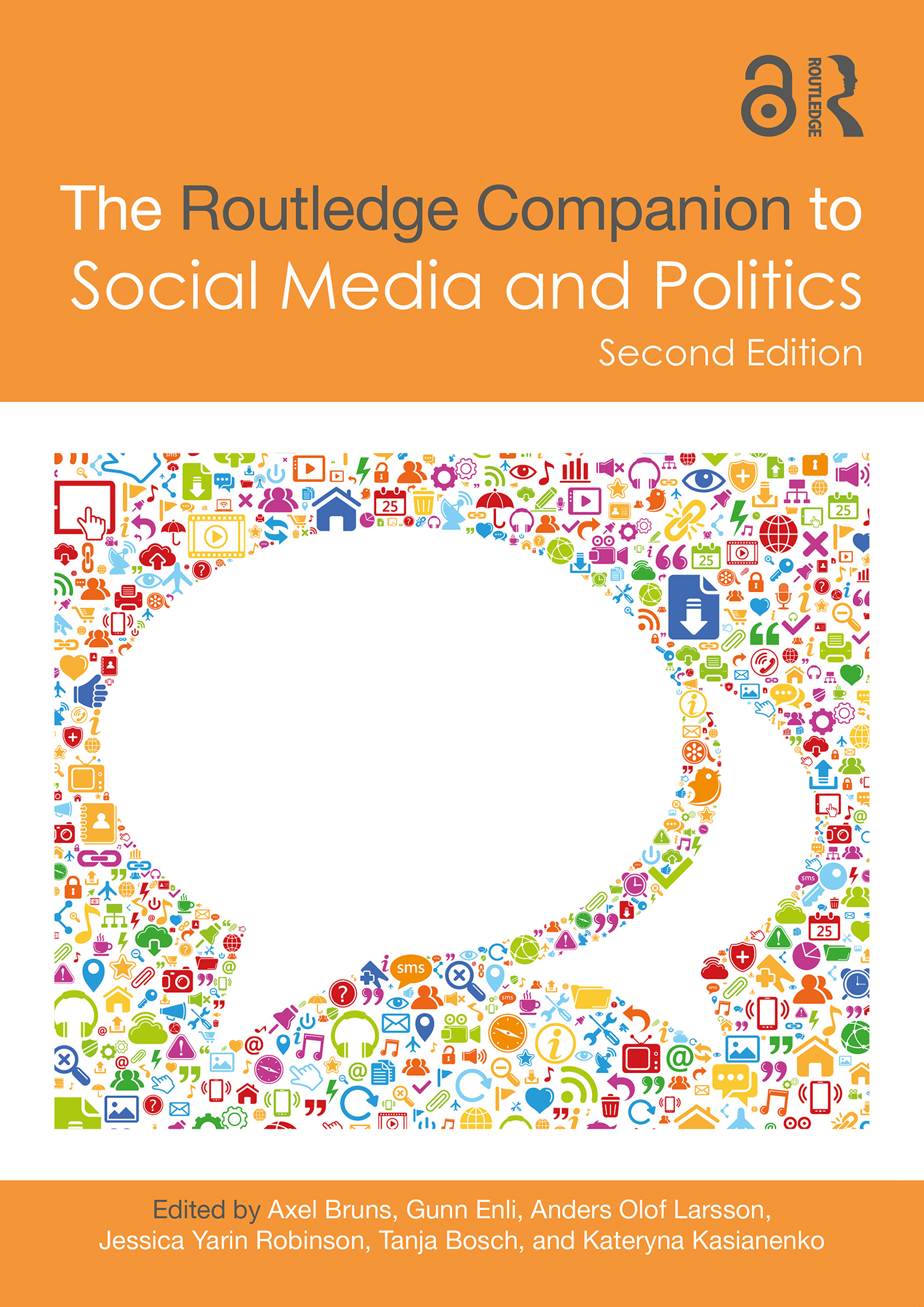
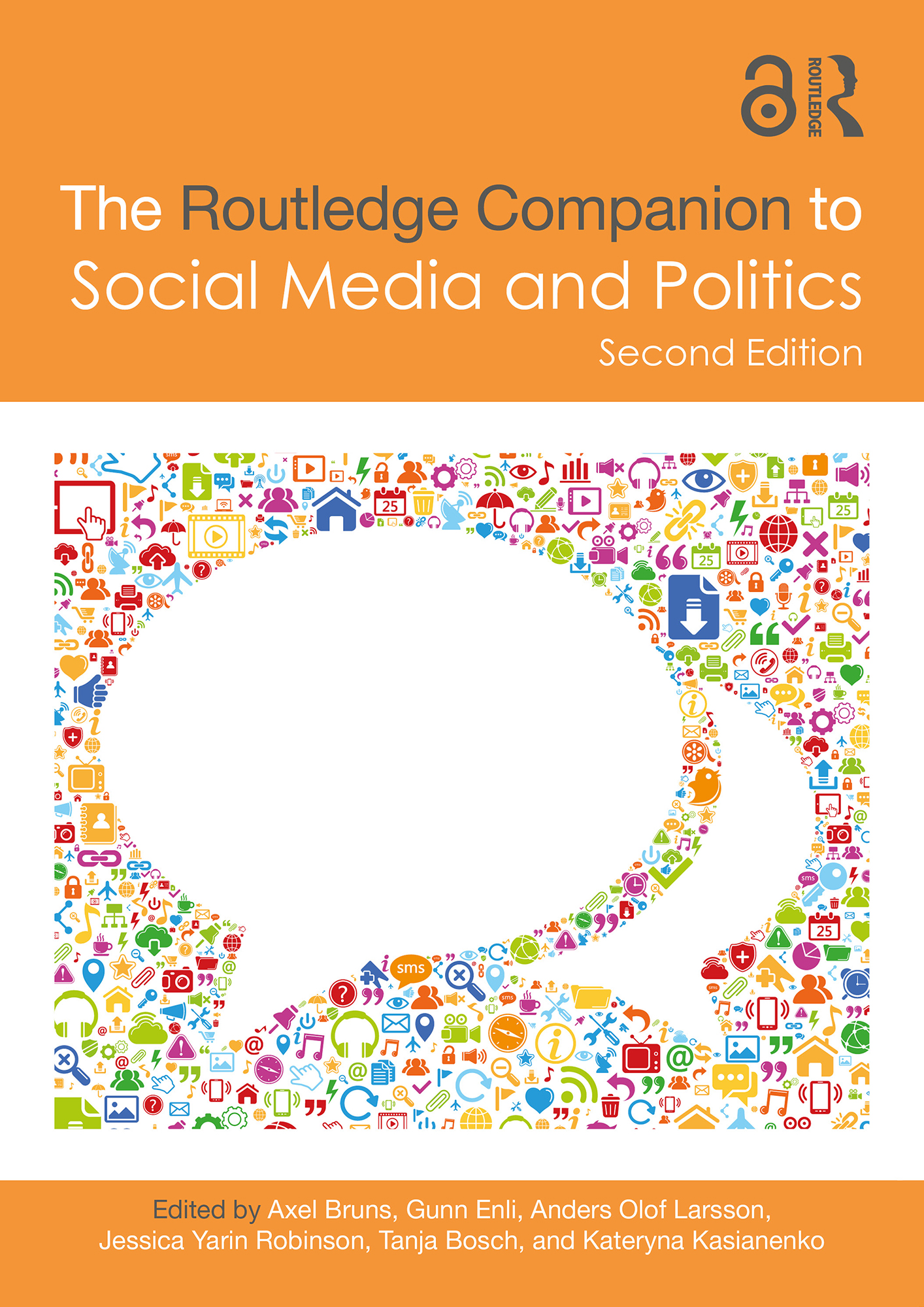
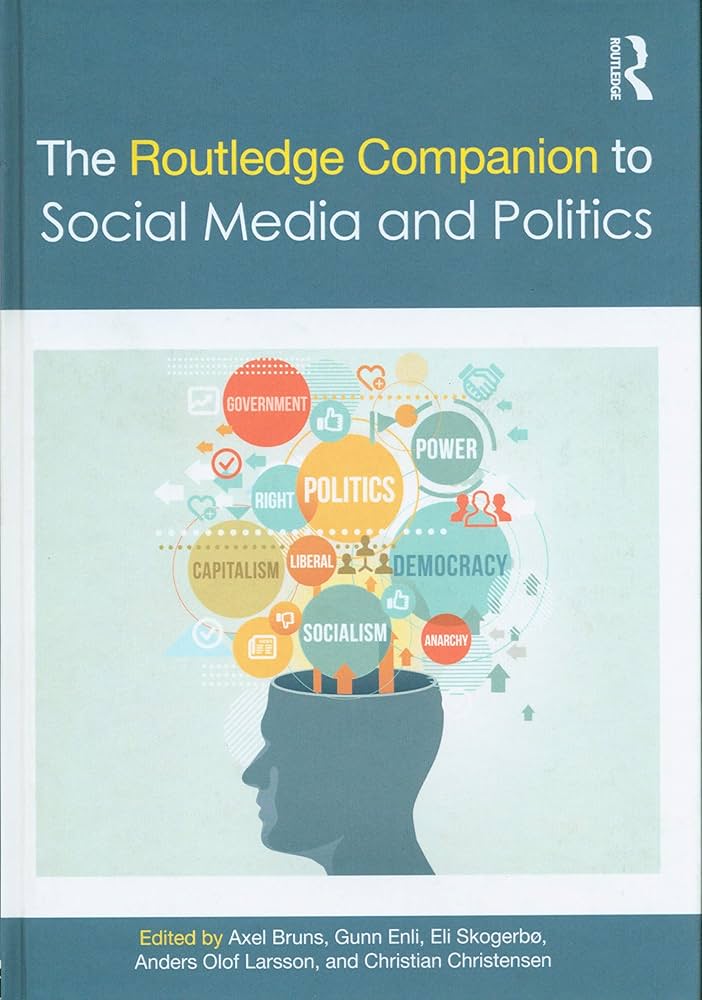
But ahead of that conference, I also have some major publication updates. Most importantly, I'm very pleased that the second edition of our Routledge Companion to Social Media and Politics has now been published. The first edition came out in 2016 …
The final session for me at the 2026 International Communication Association conference in Cape Town is one in which I’ll present myself, but we start with a paper by Evelyn Jonas. Her focus is on the use of communicative AI to deal with opinion-challenging information. Users are frequently exposed to such information in online environments, of course, and this can create cognitive dissonance as well as more active information-seeking actions.
But traditional search engines are not the only way that this is addressed, and are not always helpful in identifying reliable sources; increasingly, people are also using AI chatbots to …